
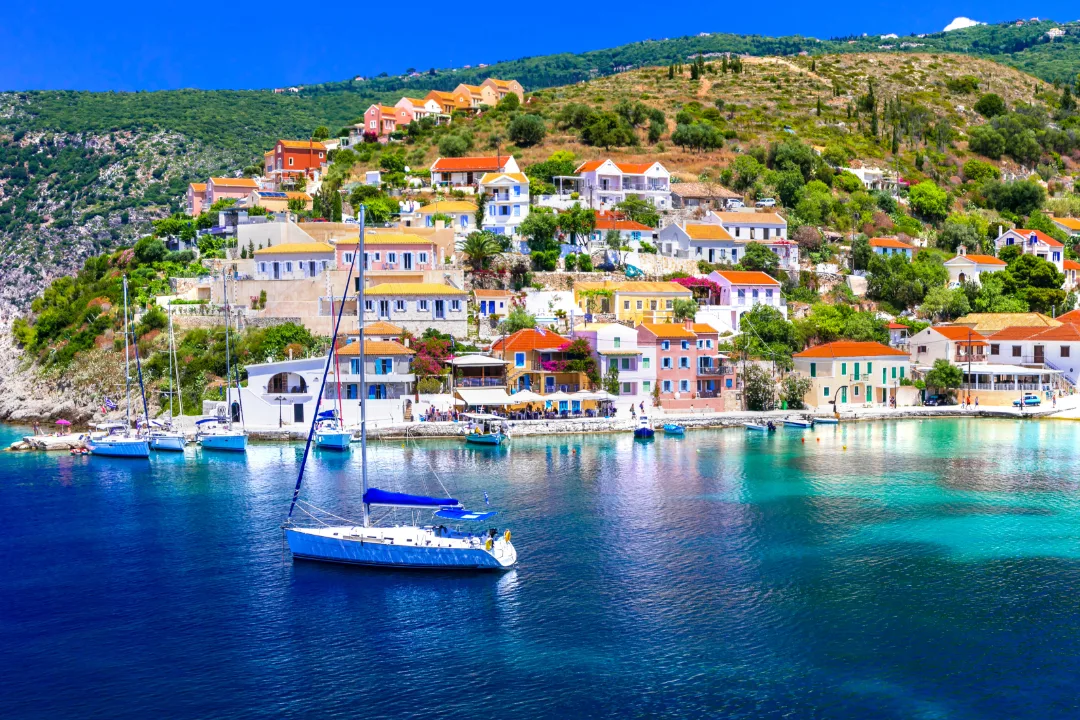
Cyclades and Dodecanese Yacht Guide: Season, Marinas, and Local Brokerage Tips
Cyclades and Dodecanese Yacht Guide
This guide is for yacht buyers, sellers, and seasonal cruisers evaluating opportunities across the Cyclades and Dodecanese. Whether you’re planning a Mediterranean cruising season, comparing Greece marinas, or exploring purchase options in a high-demand charter region, this hub outlines how to navigate logistics, routes, and brokerage decisions across two of Greece’s most iconic island groups.
Season Calendar
Season |
Notes |
| May-June | Shoulder season with mild weather, lower marina congestion, and ideal viewing conditions. |
| July-August | Peak cruising season with strong winds (Meltemi), high demand, and premium pricing |
| September-October | Prime balance of warm seas, lighter traffic, and an active brokerage market |
| November-April | Off-season with limited marina service but favorable buying opportunities |
Boat shows to anchor around:
+ Mediterranean Yacht Show (spring, Greece)
+ Cannes Yachting Festival (early fall, nearby market influence)
These events often drive inventory turnover and pricing shifts across the Eastern Mediterranean.
Marinas and Berths
The Cyclades and Dodecanese offer a mix of organized marinas and town quay berthing:
Cyclades highlights:
+ Mykonos Marina: High-demand berthing with strong charter presence
+ Santorini Marina Vlychada: Limited capacity but scenic access
+ Paros and Naxos ports: Reliable town quay docking with growing infrastructure
Dodecanese highlights:
+ Rhodes Marina: Full-service marina with modern facilities
+ Kos Marina: Well-organized berths and strong service network
+ Symi Harbor: Boutique docking with limited availability
Berthing strategies vary significantly; reservations are essential in peak months, especially for yachts over 20 meters.
Fees and Procedures
Expect variability depending on island, vessel size, and season:
+ Higher berthing fees in July–August
+ Port authority check-in is required upon arrival
+ Transit log documentation for non-EU-flagged vessels
+ Mooring fees are often collected on-site at town quays
Additional considerations:
+ Stern-to docking is standard
+ Limited long-term slip guarantees in smaller islands
+ Utilities (water/electric) may be metered or unavailable in remote ports
Routes and Itineraries
A well-planned Cyclades itinerary or Dodecanese route can balance sailing conditions and logistics:
Cyclades routes:
+ Athens → Mykonos → Paros → Santorini
+ Shorter hops ideal for charter-style cruising
+ Exposure to Meltemi winds requires careful planning
Dodecanese routes:
+ Rhodes → Symi → Kos → Patmos
+ More sheltered cruising with shorter distances
+ Suitable for extended passages and relaxed itineraries
Cross-region option:
+ Cyclades to Dodecanese passage for experienced cruisers seeking variety
Local Survey and Service Resources
Greece offers strong marine support, particularly in larger hubs:
+ Full-service yards in Athens, Rhodes, and Kos
+ Surveyors experienced with Mediterranean charter fleets
+ Access to OEM parts and maintenance providers
Key insight:
Athens often serves as the primary hub for pre-purchase surveys and refits, while island-based services are more limited but improving.
Specs or Quick Facts
Category |
Cyclades |
Dodecanese |
| Vibe | Iconic, high-energy | Relaxed, traditional |
| Conditions | Windy (Meltemi) | More sheltered |
| Infrastructure | Mixed | More consistent in key marinas |
| Buyer Profile | Charter-focused owners | Long-range cruisers |
| Best Fit | Short, scenic itineraries | Extended cruising routes |
Key Questions Buyers Ask
+ Which region offers better marina access during peak season?
+ How do Meltemi winds affect cruising plans?
+ Where should I base my yacht for charter vs private use?
+ Are service yards easily accessible from the islands?
+ When is the best time to enter the Greek yacht market?
Decision Factors and Tradeoffs
Choose Cyclades if you:
+ Want access to iconic destinations like Mykonos and Santorini
+ Plan charter operations or high-visibility cruising
+ Prefer shorter, destination-rich routes
Choose Dodecanese if you:
+ Prioritize calmer waters and longer itineraries
+ Want more consistent marina infrastructure
+ Value a less crowded cruising experience
Cost and Timelines
+ Viewing trips: 3–5 days across multiple islands
+ Survey and sea trial: 7–14 days
+ Closing timeline: typically 30–90 days
Typical costs include:
+ Berthing fees (seasonal variability)
+ Fuel and crew (if applicable)
+ Maintenance and survey expenses
Peak summer months increase both operational costs and competition for berths.
What to do Next
1. Browse Greece yacht listings to compare inventory across the Cyclades and Dodecanese.
2. Connect with a Yachtr broker to plan efficient island-hopping viewings.
3. Time your purchase around shoulder seasons for better availability and pricing.
4. Use platform filters to evaluate Greece marinas, pricing, and vessel specs side-by-side.
Frequently Asked Questions
How long does this take?
Most yacht purchases in Greece close within 30–90 days, depending on survey logistics, documentation, and negotiations.
What does it cost?
Costs vary widely based on yacht size, marina selection, and season. Peak summer months typically carry higher docking and operational expenses.
What are common mistakes?
Underestimating wind conditions, not securing berths in advance, and skipping detailed survey planning across multiple islands.
How do I compare options?
Use Yachtr’s platform to filter by location, price, and marina access, or work with a broker to evaluate tradeoffs between the Cyclades and Dodecanese.