
Pacific Northwest Cruising Guide: Routes, Marinas, and What to Know
Pacific Northwest Cruising Guide
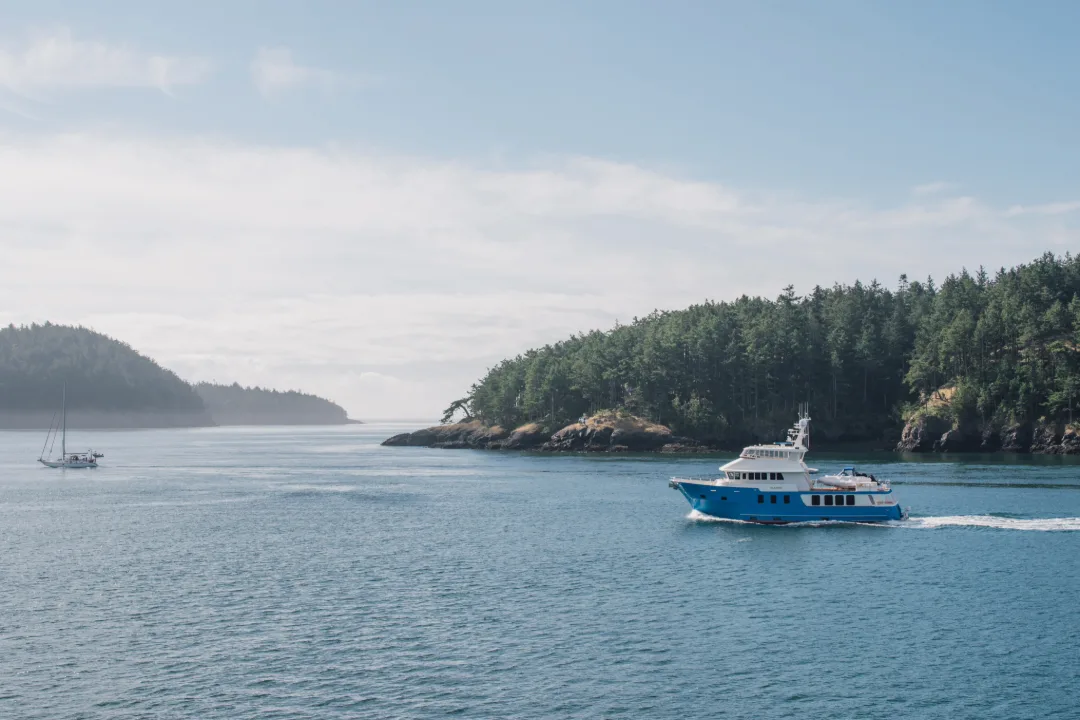
This guide is for yacht owners, seasonal cruisers, and buyers exploring Pacific Northwest yacht cruising or considering a vessel suited for this unique region. The Pacific Northwest offers a blend of protected waterways, island chains, and rugged coastlines, making it one of the most scenic and technically engaging cruising grounds in North America.
Whether you are planning a San Juan’s itinerary, evaluating Southern British Columbia routes, or looking for a comprehensive PNW boating guide, this resource outlines the key considerations for cruising, docking, and ownership in the region.
Season Calendar
Weather patterns, daylight hours, and regional boating demand shape the Pacific Northwest cruising season.
Season |
Notes |
| May-June | Start of cruising season; longer days and mild conditions |
| July-August | Peak season: best weather, busiest marinas |
| September | Ideal cruising with fewer crowds and stable weather |
| October-April | Off-season; limited marina activity and more challenging conditions |
Summer offers the most reliable cruising conditions; however, shoulder seasons provide quieter anchorages and easier marina access.
Marinas and Berths
The region offers a mix of full-service marinas and protected anchorages.
Washington State (U.S.)
+ Roche Harbor Marina
+ Friday Harbor Marina
+ Anacortes Marina
British Columbia (Canada)
+ Sidney Marina
+ Victoria Inner Harbour
+ Nanaimo Port
Berthing is generally more accessible than in Mediterranean markets; however, popular destinations in the San Juan Islands and Gulf Islands can fill quickly during peak summer weekends.
Fees and Procedures
Cruising in the Pacific Northwest requires planning for both domestic and international travel.
Key considerations include:
+ Moorage fees that vary by vessel size and location
+ Customs clearance when crossing between the U.S. and Canada
+ Seasonal demand increases during the summer holidays
+ Limited transient slips in popular island destinations
Advanced planning is recommended, especially for cross-border itineraries.
Routes and Itineraries
Popular Pacific Northwest cruising routes include:
+ Seattle → San Juan Islands: Classic cruising route with short passages and protected waters
+ San Juan Islands → Gulf Islands: Cross-border island hopping with diverse anchorages
+ Vancouver → Desolation Sound: Longer-range cruising with remote scenery
+ Puget Sound coastal cruising: Ideal for shorter trips and weekend outings
Distances between stops typically range from 15–50 NM, making the region ideal for relaxed cruising with frequent stops.
Local Survey and Service Resources
The Pacific Northwest supports a strong marine service network, including:
+ Full-service shipyards in Seattle, Anacortes, and Vancouver
+ Experienced marine surveyors familiar with cold-water vessels
+ Reliable access to parts and maintenance services
Many owners complete surveys, refits, and maintenance work during the off-season months.
Specs or Quick Facts
Category |
Insight |
| Cruising Style | Protected waterways and island hopping |
| Best Yacht Types | Trawlers, expedition yachts, and pilothouse cruisers |
| Peak Demand | July-August |
| Navigation | Tides, currents, and narrow passages require planning |
Key Questions Buyers Ask
+ When is the best time for Pacific Northwest yacht cruising?
+ What permits are required for U.S.–Canada cruising?
+ Which marinas are best for long-term berthing?
+ What yacht type is best suited for the region?
+ How long does a typical San Juan itinerary take?
Decision Factors and Tradeoffs
The Pacific Northwest offers unmatched natural beauty and protected cruising conditions; however, weather variability and tidal navigation require planning.
Summer delivers the best conditions but also the highest demand at marinas. Shoulder seasons provide quieter cruising but may involve cooler temperatures and more variable weather.
Larger yachts offer comfort and range, while smaller vessels provide greater flexibility in tight anchorages and marina slips.
Balancing comfort, navigation capability, and seasonal timing is key when planning in this region.
Costs and Timelines
+ Seasonal cruising window: May through September
+ Marina reservations: 1–3 months in advance for peak season
+ Cross-border clearance: Same-day processing in most cases
+ Typical cruising itinerary: 7–14 days
What To Do Next
1. Browse yachts suited for the Pacific Northwest cruising, including trawlers and long-range cruisers.
2. Connect with a broker to explore vessels designed for cold-water performance and regional cruising.
3. Plan your itinerary early and secure marina reservations for peak summer months.
Frequently Asked Questions
How long does this take?
Most Pacific Northwest cruising itineraries range from one to two weeks, depending on route and pace.
What does it cost?
Dockage and fuel costs vary by location and season, with peak pricing during summer months.
What are common mistakes?
Underestimating tides and currents, failing to plan cross-border logistics, and not reserving marinas in advance.
How do I compare options?
Compare yacht range, navigation systems, and onboard comfort, or work with a broker to match the right vessel to your cruising plans.