
Bahamas Cruising Routes and Fees: What Owners Need to Know
Bahamas Cruising Routes and Fees
This guide is for yacht owners, buyers, and cruisers planning to navigate Bahamian waters or evaluating yachts capable of Bahamas cruising. Whether you’re preparing for a first crossing, comparing Abacos versus Exumas itineraries, or budgeting for permits and marina fees, this Bahamas Yacht Guide outlines what matters most so you can plan confidently and move forward with the right vessel and support.
Season Calendar
November – April
Peak cruising season with stable weather, cooler temperatures, and the highest marina demand. Ideal for crossings from Florida and extended island itineraries.
May – June
Excellent shoulder season with warm water, fewer crowds, and better marina availability. A favorite window for experienced cruisers.
July – October
Hurricane monitoring period. Many yachts relocate or reduce cruising plans. Travel is possible with careful planning and weather flexibility.
Events to plan around:
+ Christmas and New Year’s (high marina demand)
+ Easter holidays
+ Local regattas and fishing tournaments in the Abacos and Exumas
Marinas and Berths
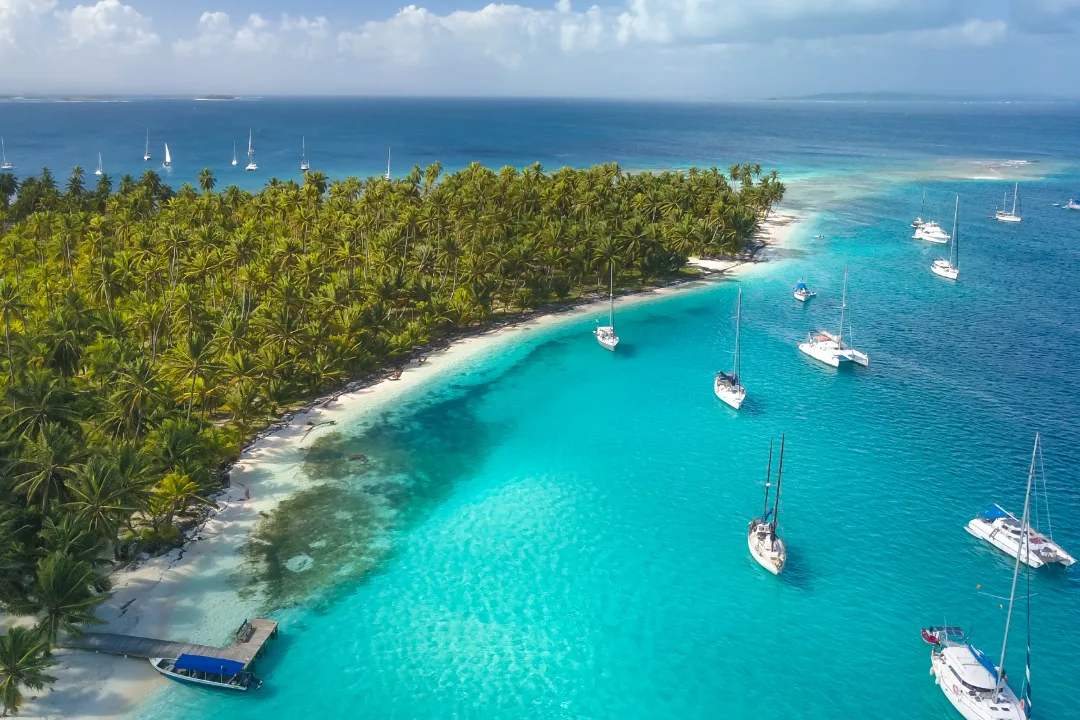
The Bahamas offers a mix of full-service marinas and remote anchorages, with infrastructure varying by island group.
Popular marina hubs include:
+ Nassau & Paradise Island: Atlantis Marina, Nassau Yacht Haven
+ Abacos: Marsh Harbour Marina, Boat Harbour, Green Turtle Cay Marina
+ Exumas: Emerald Bay Marina, Staniel Cay Yacht Club
Berth availability can be limited during peak season, particularly for yachts over 80 feet. Advance reservations are strongly recommended, especially in the Abacos during winter months.
Fees and Procedures
All foreign vessels cruising the Bahamas must obtain a Bahamas cruising permit upon entry.
Typical costs include:
+ Cruising permit and fishing permit (based on vessel length)
+ Customs and immigration clearance fees
+ VAT on certain services and marina stays
+ Marina dockage, fuel, and provisioning costs
Permits are usually issued on arrival and cover multiple entries over a defined period. Captains should confirm current fee structures before departure, as rates can change seasonally.
Routes and Itineraries
Florida → Bimini
A popular first crossing at approximately 50 NM, ideal for weather windows and shorter range vessels.
Florida → Abacos
Roughly 60–70 NM Gulf Stream crossing. The Abacos itinerary is known for protected cruising, calm anchorages, and island hopping between Marsh Harbour, Green Turtle Cay, and Hope Town.
Exumas Route
Best suited for yachts with longer range and experienced crews. Highlights include Highbourne Cay, Staniel Cay, and the Exuma Cays Land and Sea Park.
The Bahamas’ clear waters demand strong navigation practices, accurate charts, and daylight-only travel in shallow areas.
Local Survey and Service Resources
Service availability varies widely by region.
What to expect:
+ Limited haul-out facilities outside Nassau and Marsh Harbour
+ Mobile mechanics and electricians available in major hubs
+ Fuel and provisioning access improves significantly near established marinas
Many owners complete surveys, refits, and maintenance in South Florida before crossing to reduce downtime once in the islands.
Specs or Quick Facts
| Category | Bahamas Cruising Overview |
| Water Depth | Shallow banks and coral heads |
| Navigation | Visual piloting required |
| Fuel Access | Available but limited outside hubs |
| Best Yacht Types | Express cruisers, trawlers, center consoles, long-range motoryachts |
| Ideal Range | 300+ NM recommended |
Key Questions Buyers Ask
+ What size yacht is best for Bahamas cruising?
+ Do I need stabilizers for Gulf Stream crossings?
+ How much should I budget for permits and dockage?
+ Are catamarans or monohulls better for shallow water?
+ Should I buy locally or stage from Florida?
Decision Factors and Tradeoffs
Choose the Bahamas if:
+ You want clear water, short island hops, and diverse cruising grounds
+ You enjoy a balance of marina access and remote anchorages
+ You plan seasonal cruising rather than year-round residency
Consider carefully if:
+ You require constant access to major service yards
+ Your yacht has deep draft or limited range
+ You prefer urban nightlife over nature-focused cruising
Costs and Timelines
+ Permit processing: Same day on arrival
+ Crossing window planning: 1–3 days weather-dependent
+ Typical cruising stay: 2–12 weeks
+ Seasonal dockage: Higher from December–April
Overall costs vary widely based on yacht size, cruising style, and marina usage.
What to do Next
1. Browse Bahamas yachts for sale and compare range, draft, and layout.
2. Work with a broker experienced in Bahamas cruising permits and routes.
3. Plan a staged itinerary starting with the Abacos or Bimini before longer passages.
Frequently Asked Questions
How long does this take?
Cruising permits are issued on arrival, while planning and weather windows can add several days before crossing.
What does it cost?
Costs include cruising permits, marina dockage, fuel, and provisioning. Peak season pricing applies from December through April.
What are common mistakes?
Underestimating weather windows, arriving without marina reservations, and cruising at night in shallow waters.
How do I compare options?
Compare yachts by range, draft, stabilizers, and resale value, or consult a broker for route-specific recommendations.