
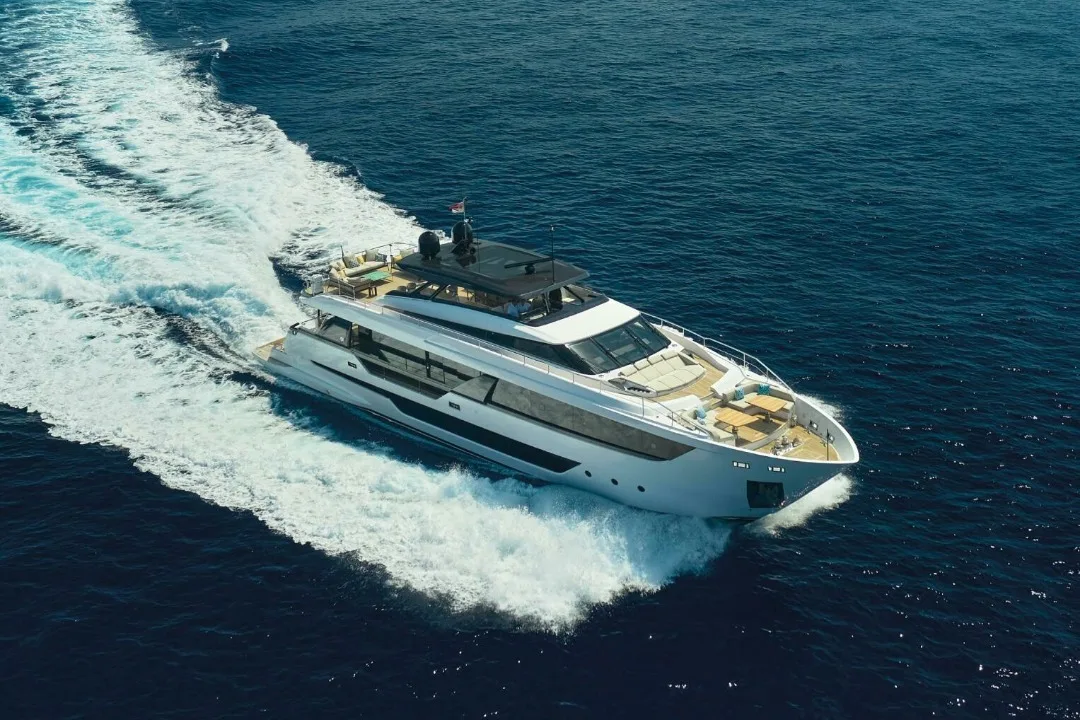
Azimut vs Ferretti: Build, Performance, and Resale Compared
Azimut vs Ferretti
Buyers evaluating Azimut vs Ferretti often weigh innovation vs tradition. Azimut appeals to design-driven owners seeking contemporary aesthetics and lightweight speed. Ferretti attracts conservative cruisers who value reliability and refined craftsmanship.
Both builders deliver prestige, comfort, and resale assurance; the difference lies in your cruising style and long-term priorities.
At a Glance
Category |
Azimut |
Ferretti |
|
Founded |
1969 – Turin, Italy |
1968 – Forlì, Italy |
|
Range |
34–125 ft |
45–100 ft |
|
Construction |
Carbon fiber + GRP composites |
Heavier GRP + solid laminates |
|
Design Focus |
Sleek, modern lines and open layouts |
Classic Italian interiors, balanced proportions |
|
Performance |
Higher top speeds, planing hulls |
Softer ride, efficient cruising |
|
Ownership Cost |
~8–10% annual of yacht value |
~7–9% annual growth of yacht value |
|
Known For |
Style innovation and luxury finishes |
Engineering reliability and craftsmanship |
|
Best Fit |
Performance-oriented lifestyle owners |
Long-term family cruisers |
Build and Layout Notes
Azimut: Known for bold, modern interiors and large window spaces, emphasizing natural light and social living areas. Construction uses carbon fiber to reduce weight and increase speed and efficiency.
Ferretti: Takes a more traditional approach with heavier hulls, balanced proportions, and quieter, vibration-free interiors designed for long-distance comfort.
Both brands offer customizable layouts, but Ferretti tends to favor enclosed salons, while Azimut maximizes open-air decks and panoramic glazing.
Performance and Range
Azimut
+ Optimized for higher cruising speeds and responsive handling.
+ Planing and semi-displacement hulls deliver agility and performance.
+ Ideal for Mediterranean day cruising and dynamic charters.
Ferretti
+ Emphasizes stability, balance, and noise reduction at sea.
+ Suited to longer passages or overnight family cruising.
+ Slightly lower top speeds but superior comfort in heavy weather.
Ownership and Maintenance
+ Azimut Maintenance Cost: Expect 8–10% of yacht value annually due to advanced systems and finish upkeep.
+ Ferretti Maintenance Cost: Slightly lower at 7–9%, with simpler mechanical systems and robust hull construction.
Both brands maintain global dealer networks and strong after-sales service, though Ferretti’s heavier designs may result in higher fuel consumption.
Resale and Liquidity
+ Azimut: Enjoys strong international resale visibility, particularly for Flybridge and Grande Series. Modern styling retains appeal in global brokerage markets.
+ Ferretti: Known for steady resale value and loyal ownership base, especially among Mediterranean buyers.
In resale, Azimut often moves faster; Ferretti retains higher value ratios over time.
Specs and Quick Facts
Brand |
Build Type |
Top Speed |
Hull Style |
Maintenance Estimate |
|
Azimut |
Carbon fiber + GRP |
28–36 knots |
Planing / Semi-displacement |
8–10% of yacht value |
|
Ferretti |
GRP solid laminate |
24–32 knots |
Planning / Displacement |
7–9% of yacht value |
Decision Factors and Tradeoffs
Azimut Pros:
1. Sleek, modern styling and panoramic layouts.
2. Lightweight carbon construction enhances efficiency.
3. Broader global resale and dealer network.
Azimut Cons:
1. Higher upkeep cost for advanced materials and finishes.
2. Some systems may require specialized service.
Ferretti Pros:
1. Proven hulls built for comfort and endurance.
2. Simplified systems and quiet cruising.
Ferretti Cons:
1. Heavier builds may reduce top speed.
2. Classic interiors may feel dated to style-driven buyers.
Costs and Timelines
+ Brokerage Purchase: Typically closes in 30–90 days, depending on survey and logistics.
+ New Build Delivery: Azimut averages 12–24 months; Ferretti 14–26 months, depending on series.
+ Ownership Costs: Expect 7–10% of yacht value per year, including crew, docking, and insurance.
What to do Next
1. Browse listings: Compare Azimut and Ferretti yachts for sale on Yachtr.
2. Connect with a broker: Consult a professional yacht broker for valuation insights and purchase negotiation.
3. Schedule a viewing: Book inspections or sea trials to experience layout, noise levels, and performance firsthand.
Frequently Asked Questions
How long does this take?
Most brokerage transactions close within 30–90 days, depending on survey and delivery schedules.
What does it cost?
Ownership averages 7–10% of yacht value annually, covering berths, crew, and upkeep.
What are common mistakes?
Choosing based on design alone considers maintenance access, resale trends, and usage patterns.
How do I compare options?
Use Yachtr’s compare tool or request a broker analysis to evaluate price, build quality, and resale value.